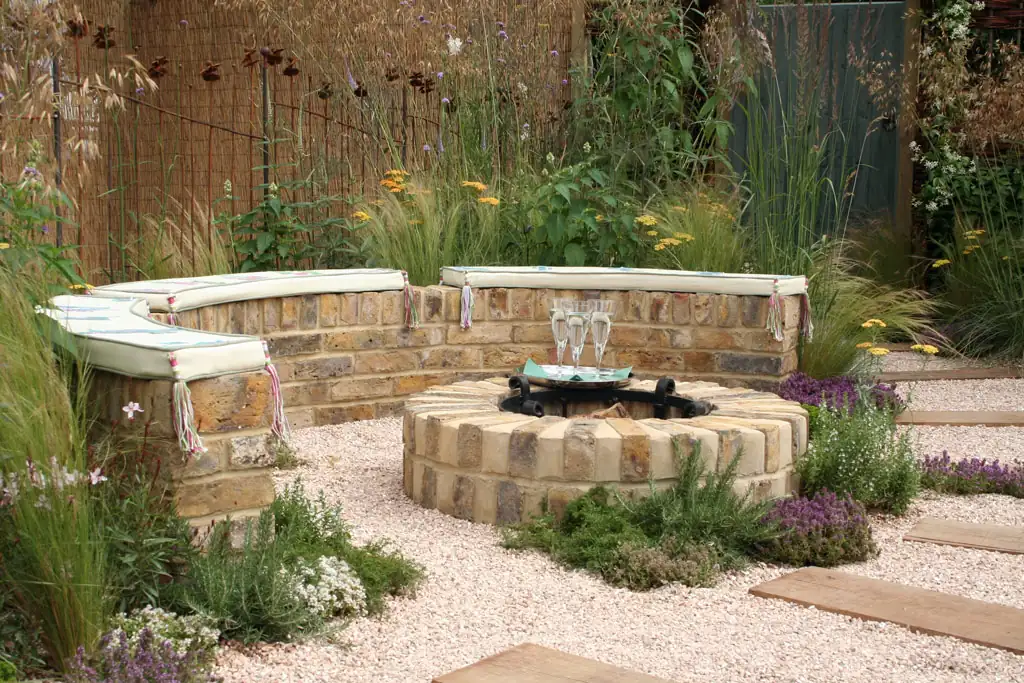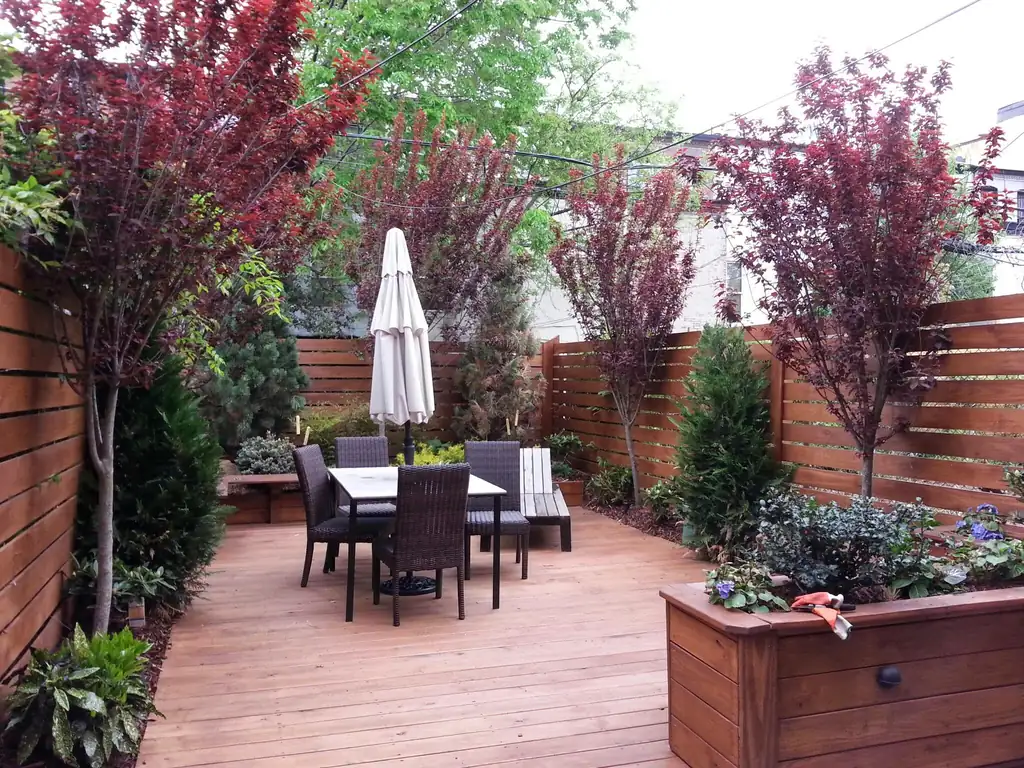
Both make a good-looking patio, and their price ranges overlap in Indianapolis. The real differences show up over central Indiana winters: how each material handles water, freezing and salt, and what a repair looks like years later. This guide compares them using published prices and industry standards. Every figure is cited and listed at the bottom.
Up-front cost, side by side
In Indianapolis the two price ranges overlap, so the cheaper option depends on your design and contractor.
Read moreShow less: Up-front cost, side by side
| Pavers | Stamped concrete | Plain concrete | |
|---|---|---|---|
| Per sq ft (Angi, Indianapolis) | $8–$24 | $9–$30 | — |
| About 300 sq ft (Angi) | $2,150–$6,700 (280 sq ft) | $2,700–$9,000 | — |
| TheFatBook model, Indianapolis | $5,742–$6,910 (300 sq ft) | $6,500–$7,951 (400 sq ft) | $3,604–$4,407 (400 sq ft) |
| Local contractors' published prices | $12–$22 (concrete pavers) | $17–$23; high teens–upper $20s | Low-to-mid teens (broom) |
Sources: Angi pavers (2026)1; Angi stamped concrete (2026)2; TheFatBook (2026)5; contractor pages from Sam's Outdoor Solutions6, JMC Projects7 and Concrete Indy8. Estimates, not quotes.
Plain broom-finish concrete is the clear budget option. Between pavers and stamped concrete, the cheaper choice depends on the pattern, borders, steps and the contractor. Detailed costs: paver patio cost and stamped concrete cost.
How each handles freeze-thaw
Covers pavers and stamped concrete.
Read moreShow less: How each handles freeze-thaw
Pavers
Concrete pavers made to ASTM C936 are dense, high-strength units. The standard calls for an average compressive strength of at least 8,000 psi, average absorption of no more than 5%, and a minimum thickness of 60 mm (2⅜ in). Units also have to pass a freeze-thaw test, run in a 3% salt solution where deicers will be used3. Low absorption means less water inside the paver to freeze and expand.
Because a paver patio is many small units on a compacted base, ground movement shifts joints rather than cracking a slab. Settled or heaved spots can be lifted, re-based and relaid with the same pavers. On central Indiana clay, local guidance calls for a 6–8 inch compacted base6.
Stamped concrete
Concrete's freeze-thaw defense is entrained air: billions of tiny bubbles that give freezing water room to expand. FHWA guidance, based on ACI recommendations, calls for about 6–7.5% air for concrete exposed to freezing and thawing, depending on aggregate size, with a field tolerance of ±1.5%9. Ask your contractor what air content they order.
Concrete also shrinks as it cures, about 5/8 inch over 20 ft according to PACA, so it will crack. Contraction joints are cut so it cracks in straight, planned lines4. A stamped slab can't be relaid like pavers, and patches can be hard to color-match.
Deicing salt
Salt is hard on both materials, and new concrete is most vulnerable.
Read moreShow less: Deicing salt
PACA recommends no deicers at all during a slab's first winter and at least a month of air-drying before any exposure. It notes that scaling can still appear in years two to four4. FHWA classes concrete exposed to freezing plus deicing chemicals as the most severe exposure9.
For pavers, the ASTM C936 freeze-thaw test is run in salt water when deicers are expected, and the units must stay under a maximum mass loss3. Whichever you choose, ask the installer or manufacturer which deicers are safe for the surface, and shovel early so less salt is needed.
Ten-year upkeep and repairs
Upkeep is where the two really part ways.
Read moreShow less: Ten-year upkeep and repairs
| Pavers | Stamped concrete | |
|---|---|---|
| Routine upkeep | Top up joint sand; sealing optional | Reseal every 2–3 years at $1–$3/sq ft |
| Typical repair | Lift and relay the affected area | Crack, chip or color repair, $300–$1,000 |
| 300 sq ft, 10 years | Mostly labor for occasional resets | About $900–$4,500 in resealing (our arithmetic) |
| Weeds and ants | Possible in joints; polymeric sand helps | Few joints, so fewer weeds |
Stamped figures: Angi (2026)2. The ten-year resealing figure is our arithmetic: three to five reseals of 300 sq ft at $1–$3 per sq ft. Estimates.
Which should you choose?
Pavers tend to suit you if you want a patio that can be repaired in sections, you're on heaving clay or a newer lot that's still settling, you might add on later, or you want brick or natural-stone looks.
Read moreShow less: Which should you choose?
Stamped concrete tends to suit you if you want a seamless surface with few joints, a large simple shape, a specific pattern like wood plank or slate, and you're comfortable with resealing every few years.
Many contractors install both, and a good one will tell you which fits your yard. Tell us what you're considering and we'll pass it to a vetted local contractor for a free estimate on either. Local guides: pavers in Fishers · stamped concrete in Noblesville.