From classic brick to natural stone, here's how Zionsville homeowners can choose a patio material that fits the house and holds up to Indiana winters, plus what each option typically costs.
Matching the patio to the home
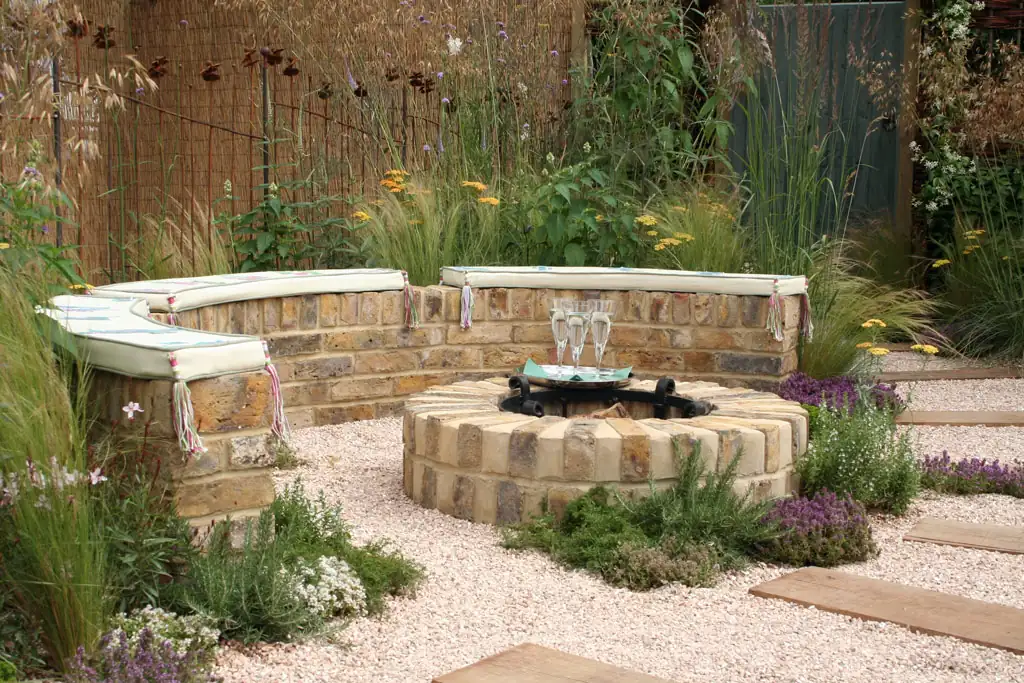
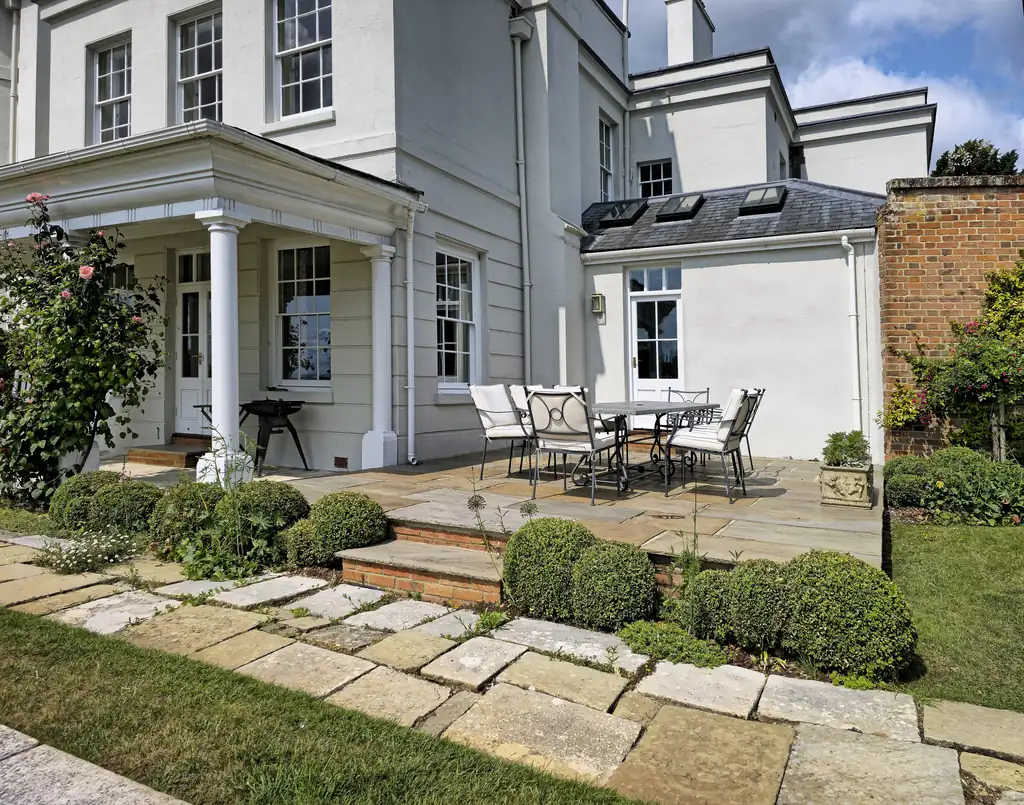
Zionsville's mix of older homes and newer estates means there's no single “right” patio look.
Read moreShow less: Matching the patio to the home
The material sets the price more than almost anything else, so it's worth deciding early.
| Material | Installed cost / sq ft | Notes |
|---|---|---|
| Concrete pavers | $8–$14 | Widest range of colors and textures; the usual value pick |
| Brick / clay pavers | $10–$19 | Classic look; choose severe-weather (SW) grade for Indiana |
| Natural stone | $14–$48 | Unique and premium; some stone needs sealing |
Source: Angi, Indianapolis paver patio costs (2026)1. Estimates only.
Brick pavers
Brick suits traditional and historic-style homes. In freeze-thaw climates, the grade matters. A local contractor guide notes that clay brick should meet ASTM C216 Severe Weathering (SW) grade, and lower grades can spall within a few seasons2. Ask any brick bid which grade they're using.
Concrete pavers
Modern concrete pavers can mimic tumbled brick, cobble or cut stone, and they're generally the most climate-resilient value choice for central Indiana2. Angi also suggests sealed concrete pavers for Indianapolis' above-average rainfall1.
Natural stone
Flagstone, limestone and travertine look beautiful but cost more to buy and install. Angi notes that natural stone can weather faster in damp, shady spots, and roughly a third of Indianapolis is under tree canopy1. If your patio will sit under mature trees, ask contractors which stones hold up in shade.
Working around mature trees
Established Zionsville lots often have large trees close to where a patio would go.
Read moreShow less: Working around mature trees
Local contractors flag root systems and older buried utilities as common site-prep issues on mature lots3. Tree roots also raise excavation cost. Angi notes that tree roots, plants and hard soil push site-prep costs up, and manual digging where machines can't fit costs much more1. Options a contractor may suggest include shifting the patio footprint, raising it slightly to reduce digging, or using a permeable paver system. If tree health matters to you, consult an arborist before excavation near the drip line.
Boone County specifics
Frost depth, clay soil, utility locates and permits for Zionsville yards.
Read moreShow less: Boone County specifics
- Frost depth: Zionsville is in Boone County, which Indiana's residential code lists at a 30-inch foundation depth4. That matters for footings under pergolas, seat walls or fireplaces, not the paver surface itself.
- Soil: Like most of central Indiana, expect clay subsoil that drains slowly. A deeper compacted base (6–8 inches is common local guidance) protects against heaving2.
- Utilities: Excavation starts with an Indiana 811 locate5.
- Permits: Permit rules in Zionsville are set by the Town of Zionsville, not by Indianapolis, and they can change. The contractor you hire should confirm whether your specific project needs a permit and pull it if so. If you want to double-check, call the Town of Zionsville building or planning department before work starts.
What drives the final price
Beyond material, the biggest cost drivers are size, pattern complexity, access and site prep.
Read moreShow less: What drives the final price
Intricate patterns such as mosaics or circles take more labor and cutting than running bond or herringbone1. Hometriva lists square footage, paver style, base depth, cuts, drainage and edge restraint as the main factors that move the number6. Angi's Indianapolis data shows paver projects ranging from about $459 to $21,533 overall1, so share as much detail as you can on the form to get realistic quotes. For a full breakdown, see the paver patio cost guide.